Destination Internet Guides
Full Review of LemonSIM 1.8GB 180-Day eSIM – Practical Backup Connectivity for 3–6 Month U.S. Stays

Most travel eSIMs on the market are designed with large data allocations and short validity windows, tailored for tourists and corporate users with heavy daily internet consumption. However, a sizable niche group of long-term U.S. visitors has distinct connectivity needs that often go unaddressed. These users rarely stream videos or host online meetings, yet require consistent U.S. IP access for routine account verification and emergency backup when their primary SIM runs out of data or loses signal coverage.
Standard monthly high-data bundles create unnecessary cost waste for this user base, while short-term weekly eSIMs require repeated repurchases and reconfiguration, bringing frequent operational inconvenience. Priced at $9.90, the LemonSIM 1.8GB 180-Day eSIM fills this market gap effectively. As a budget-friendly backup eSIM with an extended 180-day validity term, this six-month U.S. data solution suits users on 3–6 month U.S. internships, family accompaniment stays, and long-term U.S. account maintenance. It can be saved as a secondary network profile on smartphones for standby connectivity over multiple months. This article covers its core specifications, applicable user scenarios, cost advantages, and practical data-saving habits. You can browse more flexible long-term travel options atUS Travel eSIM Plans.
1 Core Specification Breakdown: 1.8GB Data + 180-Day Extended Validity
1.1 Low-Consumption, Long-Term Data Design
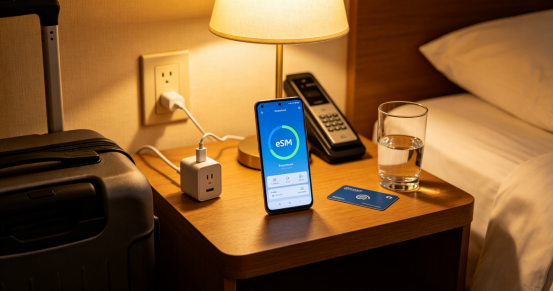
Typical 7-day 3GB travel SIMs offer around 400MB of daily data, which depletes rapidly with short-video browsing. In comparison, the LemonSIM 1.8GB 180-Day eSIM distributes 1.8GB of total data across six months, averaging roughly 10MB of daily usable data. This plan is engineered for standby emergency connectivity rather than high-volume media streaming and daily heavy internet use.
It fits lightweight daily online activities perfectly: sending and receiving short text messages via communication apps, loading text-only email previews, conducting occasional map searches, and receiving verification SMS from ride-hailing platforms, financial institutions, and U.S. official services.
1.2 Extended 180-Day Validity for Flexible Long-Term Stays
Most mainstream travel eSIMs only support 7-day, 15-day, or 30-day service cycles. Upon expiration, unused data becomes inaccessible, requiring users to repurchase plans, scan new activation codes, and reset APN configurations repeatedly. For visitors staying overseas for several months, frequent reactivation increases operational errors and may cause connectivity interruptions during urgent situations.
This six-month backup U.S. data eSIM remains active in your device for a full 180 days after successful activation. Even if you return to your home country temporarily and re-enter the U.S. months later, the plan stays functional, serving as a dependable secondary backup for your primary mobile data service.
2 Cost-Performance Comparison With Mainstream U.S. Data Solutions
This long-term backup eSIM delivers notable cost advantages when compared with conventional U.S. internet options:
Priced affordably, this plan provides six months of stable standby internet access. Designed to prioritize user experience and trust, this entry-level product focuses on delivering practical value for long-term travelers, encouraging repeated use for future travel data needs.
- Vs. monthly U.S. data SIMs: Basic monthly local U.S. data plans start at $15 or higher. A six-month subscription would cost around $90, while the LemonSIM 180-day eSIM is priced at $9.90, greatly reducing long-term standby connectivity expenses.
- Vs. international roaming services: Accidental daily roaming charges can reach $10, which is nearly equivalent to the total cost of this six-month backup plan.
- Vs. local physical prepaid SIMs: Convenience store physical SIMs usually come with $20–$30 activation fees or mandatory minimum top-up rules, plus extra hassle for physical card installation and replacement. This fully digital eSIM supports instant activation with no hidden service charges.
3 Core User Scenarios & Target User Profiles
Scenario A: Family Accompaniment & Short-Term Internship Users
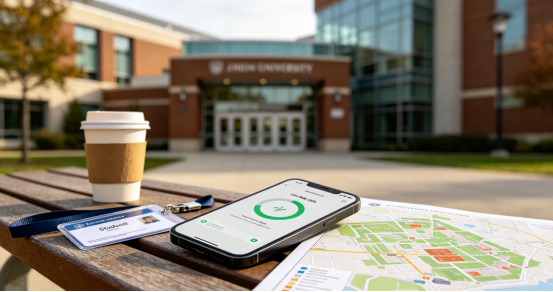
Parents accompanying overseas students and participants in 3–4 month language or internship programs mostly stay in WiFi-covered residences, campuses, and shopping areas. They only require intermittent mobile data for daily shopping notifications and emergency communication. This low-frequency backup eSIM can be installed as a secondary connectivity option on spare devices. Its limited total data capacity prevents unexpected overspending even with occasional accidental data usage. It also serves as a temporary connectivity solution for newly arrived international students before they complete local carrier plan applications.
Scenario B: Secondary Communication Line for Corporate Professionals
Many companies provide premium unlimited work SIMs, yet continuous dual-SIM operation can increase smartphone power consumption. This U.S. account maintenance eSIM functions as a lightweight secondary network profile, dedicated solely to personal message notifications without excessive battery drain.
Scenario C: Long-Term U.S. Account Maintenance for Digital Nomads
Consistent native U.S. IP connectivity is beneficial for U.S. App Store downloads, AI tool registration, and U.S.-region social media account management. Frequent proxy switching may trigger platform risk-control mechanisms and lead to account restrictions. This eSIM maintains stable local network access for routine logins and identity verification, suited for low-frequency account upkeep without heavy streaming or downloading tasks.
Scenario D: Transition Backup for Newly Arrived Students
Airport and campus WiFi networks often suffer from unstable connections upon new arrivals, and official local carrier SIM applications usually require lengthy approval processes involving SSN verification. Pre-purchasing this 180-day backup eSIM ensures reliable connectivity for airport transportation and housing communication. After securing a formal long-term local data plan, users can retain this eSIM for occasional email checks and emergency access during short holiday travels.
4 Practical Data-Saving Tips & Connectivity Best Practices
To maximize the value of the 1.8GB limited data allowance, follow these optimized usage habits. For network errors and activation issues, visit our dedicated eSIM Installation & Troubleshooting Center for professional guidance.
- Disable background app refresh for non-essential applications to avoid passive data consumption.
- Turn off automatic cellular software updates and App Store content downloads, as system upgrades consume large volumes of data quickly.
- Prioritize free WiFi networks at hotels, campuses, and commercial venues, reserving mobile data exclusively for outdoor emergencies and verification needs.
- Enable built-in data usage alerts once consumption reaches 1.5GB to reserve remaining bandwidth for critical scenarios.
- Avoid activating personal hotspot for laptops or tablets, as webpage image loading and file browsing can deplete long-term standby data in a short time.
Conclusion
Most travelers tend to prioritize unlimited high-volume data plans, yet the LemonSIM 1.8GB 180-Day eSIM proves that low-capacity, long-validity data solutions can fit specific long-term travel needs well. This plan is not ideal for users who stream videos, host live broadcasts, or rely entirely on cellular data without WiFi access. Still, it delivers practical value for rational, low-frequency users who only need stable online access for messages and emergency verification.
Priced under $10, it offers six months of reliable standby connectivity, reducing worries about sudden network interruptions during long U.S. stays. This plan works well for low-frequency standby use, long-term visitor connectivity, and multi-SIM device setups, while it is less suitable for heavy video streaming users, users with no consistent WiFi coverage, and hotspot sharing demands.
If you are planning a multi-month U.S. stay with minimal daily data needs, this compact long-term eSIM serves as a practical pre-departure preparation. For more plan options matching different usage habits, explore US Travel eSIM Plans to compare diverse data and validity tiers.